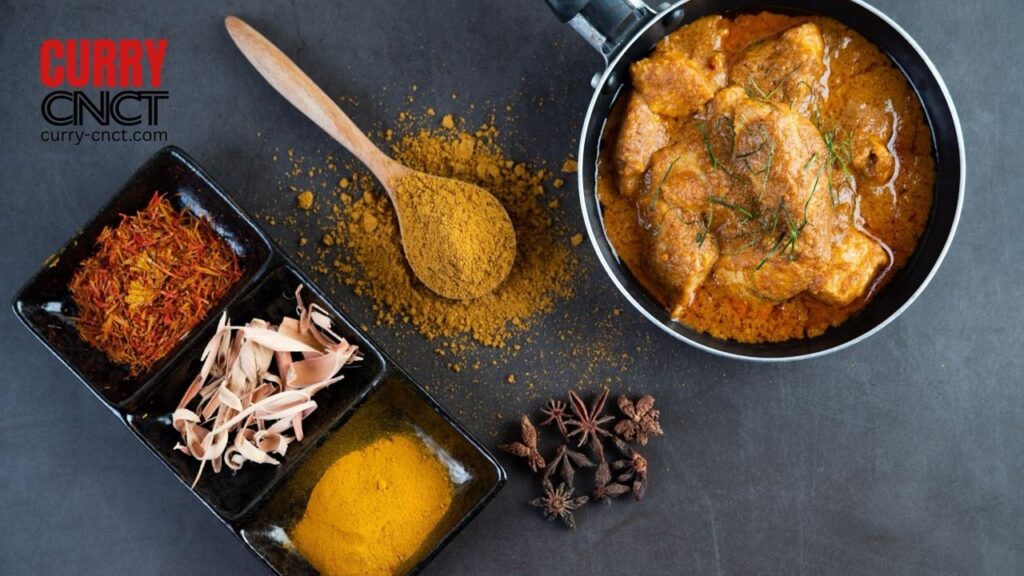

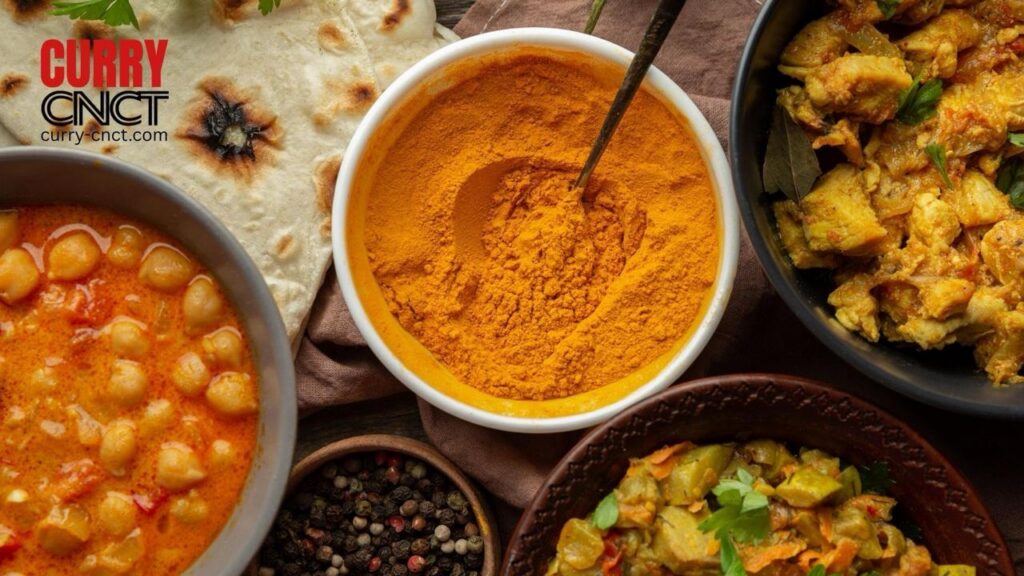
Few dishes tell the story of modern Britain quite like Chicken Tikka Masala. Creamy, rich and packed with flavour, it’s a menu staple in curry houses across the country and is often described as Britain’s national dish. But its rise to fame is about far more than food, it’s a story of migration, culture and the blending of traditions.
Britain’s connection with curry began centuries ago during the days of the British Empire, when traders and officials working in India returned home with a taste for South Asian spices and cooking styles. Early versions of curry started appearing in British cookbooks in the 18th century, introducing the country to flavours it had never experienced before.
The real transformation came after the Second World War. Large numbers of migrants from South Asia, particularly Bangladesh, India and Pakistan, settled in the UK and began opening restaurants. Many of Britain’s early curry houses were run by Bangladeshi families from the Sylhet region, helping to establish what would become a huge part of the UK’s restaurant scene.
Somewhere along the way, Chicken Tikka Masala was born. One of the most famous stories links the dish to Glasgow, where a chef at the Shish Mahal is said to have improvised a creamy tomato sauce after a customer complained that his chicken tikka was too dry. Whether the story is entirely true or not, the tale has become part of curry house folklore and even attracted global attention, with figures like Bill Gates once praising the dish and highlighting its reputation as one of Britain’s most famous culinary creations.
Over time, Chicken Tikka Masala became a national favourite. In 2001, UK Foreign Secretary Robin Cook famously described it as “a true British national dish”, highlighting how it symbolises Britain’s multicultural identity.
Today, from high street curry houses to modern Indian restaurants, the dish remains one of the most popular orders in the country, proof that sometimes the best traditions are the ones created together.